AI-Powered HR: Cutting Recruitment Time by 18% in 2026

The landscape of human resources is undergoing a profound transformation, driven by the relentless march of technological innovation. At the forefront of this evolution is Artificial Intelligence (AI), a game-changer poised to redefine how organizations attract, engage, and retain talent. For HR leaders and professionals, the promise of AI isn’t just about automation; it’s about strategic enhancement, enabling more informed decisions, fostering greater efficiency, and ultimately, delivering a superior candidate experience. The goal is clear: leverage AI HR Recruitment to significantly reduce the time-to-hire, with ambitious projections pointing towards an 18% reduction by 2026. This isn’t merely an incremental improvement; it’s a paradigm shift that will empower HR departments to become more agile, data-driven, and impactful.
Recruitment, traditionally a labor-intensive and often time-consuming process, is ripe for AI-driven disruption. From initial candidate sourcing to final onboarding, every stage presents opportunities for AI to streamline operations, eliminate biases, and identify the best-fit candidates with unprecedented accuracy. The implications are vast, touching upon everything from cost savings and improved hiring quality to enhanced employer branding and a more diverse workforce. As we delve deeper into the capabilities of AI HR Recruitment, we’ll explore the specific tools and strategies that are making these ambitious targets a reality, providing a comprehensive guide for organizations ready to embrace the future of talent acquisition.
The Current State of Recruitment: Challenges and Inefficiencies
Before we explore the solutions AI offers, it’s crucial to understand the inherent challenges that plague traditional recruitment processes. The modern talent landscape is characterized by intense competition, a globalized workforce, and ever-increasing candidate expectations. HR departments often grapple with a multitude of inefficiencies that hinder their ability to attract top talent quickly and effectively. One of the most significant challenges is the sheer volume of applications. For a single job opening, companies can receive hundreds, if not thousands, of resumes, making manual screening a daunting and time-consuming task. This often leads to bottlenecks, delays, and the potential for qualified candidates to be overlooked.
Another major hurdle is the subjective nature of resume review and initial candidate assessments. Human biases, both conscious and unconscious, can inadvertently influence hiring decisions, leading to a lack of diversity and potentially missing out on exceptional talent. Furthermore, the administrative burden associated with scheduling interviews, sending communications, and managing candidate pipelines consumes a substantial portion of recruiters’ time, diverting their focus from more strategic initiatives like candidate engagement and employer branding. The average time-to-hire can stretch for weeks, if not months, resulting in lost productivity for the business and a frustrating experience for candidates. The cost of a bad hire is also astronomical, encompassing not only the direct costs of recruitment but also lost productivity, training expenses, and potential damage to team morale. These systemic issues highlight the urgent need for innovative solutions, and this is precisely where AI HR Recruitment steps in as a powerful enabler of change.
Manual Screening and Time Consumption
The traditional method of sifting through countless resumes is notoriously inefficient. Recruiters spend an inordinate amount of time manually reviewing applications, often searching for specific keywords or qualifications. This process is not only tedious but also prone to human error and fatigue. The sheer volume makes it nearly impossible to give each application the attention it deserves, leading to a high potential for overlooking qualified candidates who might not perfectly match a keyword search but possess relevant skills and experience. The time spent on this initial screening delays the entire recruitment cycle, pushing back interview stages and offer timelines. This elongated process can be detrimental, especially in competitive markets where top talent is quickly snapped up by agile organizations. The goal of AI HR Recruitment is to drastically cut down this manual effort, allowing recruiters to focus on high-value interactions.
Bias and Lack of Objectivity
Human decision-making, by its very nature, is susceptible to biases. In recruitment, these biases can manifest in various forms, from favoring candidates from certain backgrounds or educational institutions to being influenced by names, perceived gender, or age. While recruiters strive for objectivity, unconscious biases can subtly influence who gets an interview and who doesn’t. This not only compromises the fairness of the hiring process but also limits diversity within the organization and can lead to missed opportunities for innovation. AI HR Recruitment offers a promise of greater objectivity by focusing on data-driven assessments of skills, experience, and potential, rather than subjective interpretations. By standardizing evaluation criteria and minimizing human intervention in initial screening, AI can help create a more equitable and inclusive hiring environment.
Candidate Experience and Drop-off Rates
In today’s candidate-driven market, the candidate experience is paramount. A lengthy, opaque, or unresponsive recruitment process can quickly deter top talent. Candidates expect timely communication, clear expectations, and a respectful journey. When applications go into a ‘black hole’ or feedback is delayed, candidates often grow frustrated and disengage, leading to high drop-off rates. This not only means losing potentially great hires but also damages the employer brand, making future recruitment efforts more challenging. Traditional methods often struggle to provide the personalized and efficient experience candidates now demand. AI HR Recruitment tools, through automated communication, intelligent chatbots, and personalized feedback, can significantly enhance the candidate experience, keeping them engaged and informed throughout the process, thereby reducing drop-off rates and strengthening the employer brand.
The AI Revolution in HR: Key Areas of Impact
The integration of AI into HR is not a futuristic concept; it’s a present-day reality that is rapidly reshaping every facet of talent acquisition. From automating mundane tasks to providing deep analytical insights, AI tools are empowering HR professionals to operate with unprecedented efficiency and strategic foresight. The impact of AI HR Recruitment can be broadly categorized into several key areas, each contributing to the overarching goal of reducing recruitment time and improving hiring quality.
Automated Sourcing and Screening
One of the most immediate and impactful applications of AI in recruitment is in automating the initial stages of sourcing and screening. AI-powered platforms can scour vast databases, social media, and professional networks to identify passive and active candidates who possess the required skills and experience. Unlike traditional keyword searches, AI algorithms can understand context, identify transferable skills, and even predict cultural fit based on various data points. This significantly expands the talent pool and uncovers candidates that might otherwise be missed. Furthermore, AI tools can automatically screen resumes against job descriptions, eliminating unqualified applicants and shortlisting the most promising candidates in a fraction of the time it would take a human recruiter. This not only saves immense time but also ensures a more objective and consistent initial review process, directly contributing to the reduction in time-to-hire for AI HR Recruitment.
Enhanced Candidate Engagement with Chatbots
Candidate engagement is a critical factor in successful recruitment, yet it’s often neglected due to time constraints. AI-powered chatbots are transforming this aspect by providing instant, 24/7 support to candidates. These intelligent assistants can answer frequently asked questions about job roles, company culture, application status, and even guide candidates through the application process. By providing immediate responses, chatbots improve the candidate experience, reduce candidate anxiety, and free up recruiters to focus on more complex interactions. They can also pre-screen candidates with a series of questions, gathering valuable information before a human recruiter even gets involved. This continuous and efficient engagement, facilitated by AI HR Recruitment chatbots, keeps candidates informed and interested, reducing drop-off rates and accelerating the recruitment funnel.
Predictive Analytics for Better Hiring Decisions
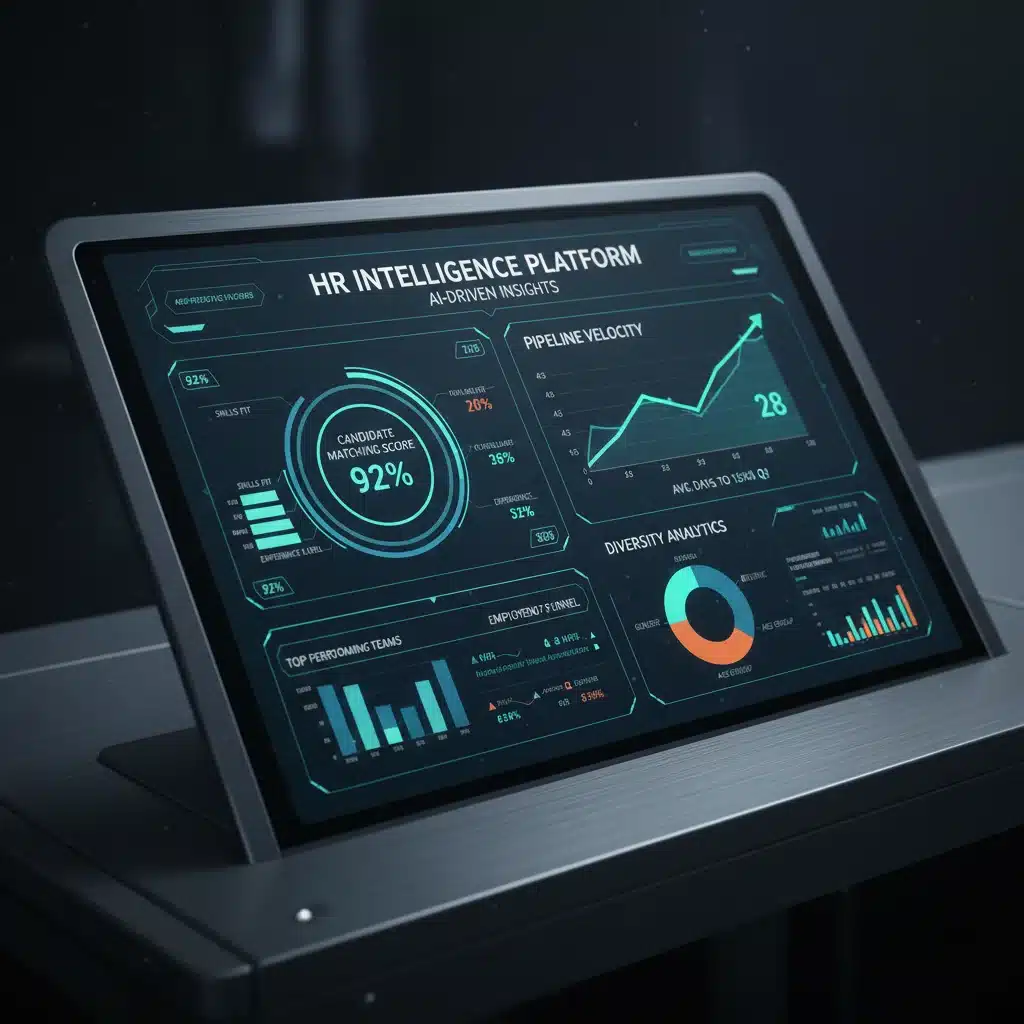
Beyond automation, AI brings the power of predictive analytics to recruitment. By analyzing historical data, performance metrics, and candidate profiles, AI algorithms can identify patterns and predict which candidates are most likely to succeed in a particular role and within the company culture. This goes beyond mere skill matching; it delves into factors like tenure, performance, and cultural alignment. Predictive analytics can help identify the key traits of high-performing employees, allowing recruiters to target candidates with similar characteristics. This data-driven approach minimizes the risk of bad hires, improves retention rates, and ultimately leads to a more productive workforce. The insights provided by AI HR Recruitment analytics enable HR teams to make proactive, strategic decisions rather than reactive ones, optimizing the entire talent acquisition strategy.
Automated Interview Scheduling and Logistics
The logistical nightmare of scheduling interviews across multiple calendars, time zones, and stakeholders is a significant time sink in traditional recruitment. AI-powered scheduling tools automate this entire process. Candidates can self-schedule interviews based on real-time availability, sending automated reminders to all parties involved. This eliminates the endless back-and-forth emails and phone calls, drastically cutting down administrative overhead. Furthermore, some AI tools can even analyze interview feedback and provide insights to overcome human biases. The efficiency gained from automated scheduling and logistics, a core component of effective AI HR Recruitment, allows recruiters to reallocate their time to more strategic tasks, such as building relationships with top talent and engaging with hiring managers.
Case Studies and Success Stories: Quantifying the Impact
The theoretical benefits of AI HR Recruitment are compelling, but real-world examples truly illustrate its transformative power. Numerous organizations across various industries have successfully implemented AI tools, yielding significant improvements in their recruitment metrics, particularly in reducing time-to-hire. These success stories provide tangible evidence of AI’s ability to drive efficiency, enhance candidate quality, and optimize the overall talent acquisition process. The projected 18% reduction in recruitment time by 2026 is not an arbitrary figure; it’s an achievable goal grounded in the measurable successes of early adopters and the continuous advancements in AI technology.
Global Tech Company Reduces Time-to-Hire by 25%
A leading global technology company, facing rapid growth and intense competition for engineering talent, implemented an AI HR Recruitment platform that integrated automated sourcing, intelligent screening, and chatbot-driven candidate engagement. Before AI, the average time-to-hire for critical engineering roles was 60 days, primarily due to the manual review of thousands of applications and the complex coordination of technical interviews. After deploying the AI solution, the company saw a remarkable 25% reduction in time-to-hire, bringing it down to an average of 45 days. The AI system efficiently pre-screened resumes, identified relevant skills with higher accuracy, and automated interview scheduling, allowing recruiters to focus on in-depth candidate assessment and negotiation. This not only accelerated hiring but also improved the quality of hires, as the AI identified candidates with a stronger cultural fit and higher potential for long-term success.
Retail Giant Improves Candidate Experience and Reduces Drop-off Rates
A large retail corporation, struggling with high candidate drop-off rates for customer service positions due to a lengthy application process and slow communication, adopted AI-powered chatbots and an automated communication system. The chatbots provided instant answers to candidate queries about job descriptions, benefits, and company culture, significantly improving responsiveness. The automated system also sent personalized updates on application status, keeping candidates informed at every stage. As a result, the company experienced a 30% reduction in candidate drop-off rates during the initial application phase. The enhanced candidate experience led to a more positive perception of the employer brand, attracting a wider pool of qualified applicants. This strategic use of AI HR Recruitment not only shortened the overall recruitment cycle but also positively impacted candidate satisfaction and employer reputation.
Healthcare Provider Enhances Diversity and Inclusion
A major healthcare provider, committed to fostering a more diverse and inclusive workforce, integrated an AI tool designed to minimize unconscious bias in resume screening and initial assessments. The AI system anonymized candidate data, focusing solely on skills, qualifications, and experience, effectively removing identifiers that could lead to bias. This led to a significant increase in the diversity of candidates reaching the interview stage. Within a year of implementation, the organization reported a 15% increase in the diversity of its new hires across various demographic categories. By ensuring a more objective evaluation process, AI HR Recruitment helped the healthcare provider achieve its diversity goals while maintaining high hiring standards, demonstrating AI’s potential to create more equitable opportunities.
Implementing AI in Your HR Strategy: Best Practices
While the benefits of AI HR Recruitment are clear, successful implementation requires a thoughtful and strategic approach. Simply adopting AI tools without a clear strategy can lead to inefficiencies and unmet expectations. Organizations must consider several best practices to maximize the return on their AI investment and ensure a smooth transition for their HR teams and candidates.
Start Small and Scale Up
Instead of attempting a complete overhaul of your recruitment process with AI all at once, begin with a pilot program in a specific area or for a particular job family. This allows your team to gain experience with the technology, identify potential challenges, and fine-tune the processes before a broader rollout. For instance, you might start by automating resume screening for high-volume roles or implementing a chatbot for entry-level positions. Learning from these initial experiences will provide valuable insights and ensure a more successful enterprise-wide adoption of AI HR Recruitment solutions. This phased approach minimizes disruption and builds confidence within the HR department.
Define Clear Goals and Metrics
Before implementing any AI tool, clearly define what you aim to achieve and how you will measure success. Are you looking to reduce time-to-hire, improve candidate quality, enhance diversity, or decrease recruitment costs? Establishing specific, measurable, achievable, relevant, and time-bound (SMART) goals will guide your implementation and allow you to track the effectiveness of your AI initiatives. For example, if your goal is to reduce time-to-hire by 18%, you need to establish baseline metrics and monitor progress consistently. Clear metrics are essential for demonstrating the ROI of AI HR Recruitment and securing continued investment.
Ensure Data Quality and Privacy
AI models are only as good as the data they are trained on. Ensuring the quality, accuracy, and completeness of your HR data is paramount. Poor data quality can lead to biased outcomes and inaccurate predictions, undermining the very purpose of AI. Furthermore, data privacy and security are critical considerations. Organizations must comply with relevant data protection regulations (e.g., GDPR, CCPA) and ensure that candidate data is handled ethically and securely. Transparency with candidates about how their data is being used by AI HR Recruitment tools is also crucial for building trust and maintaining a positive employer brand.
Train Your HR Team
AI is a tool to augment human capabilities, not replace them. Your HR team needs to be trained on how to effectively use AI tools, interpret their insights, and integrate them into their existing workflows. This includes understanding the limitations of AI, recognizing potential biases in algorithms, and knowing when human intervention is necessary. Providing comprehensive training and fostering a culture of continuous learning will empower your HR professionals to leverage AI HR Recruitment to its full potential, transforming them into strategic talent advisors rather than administrative processors.
Maintain the Human Touch
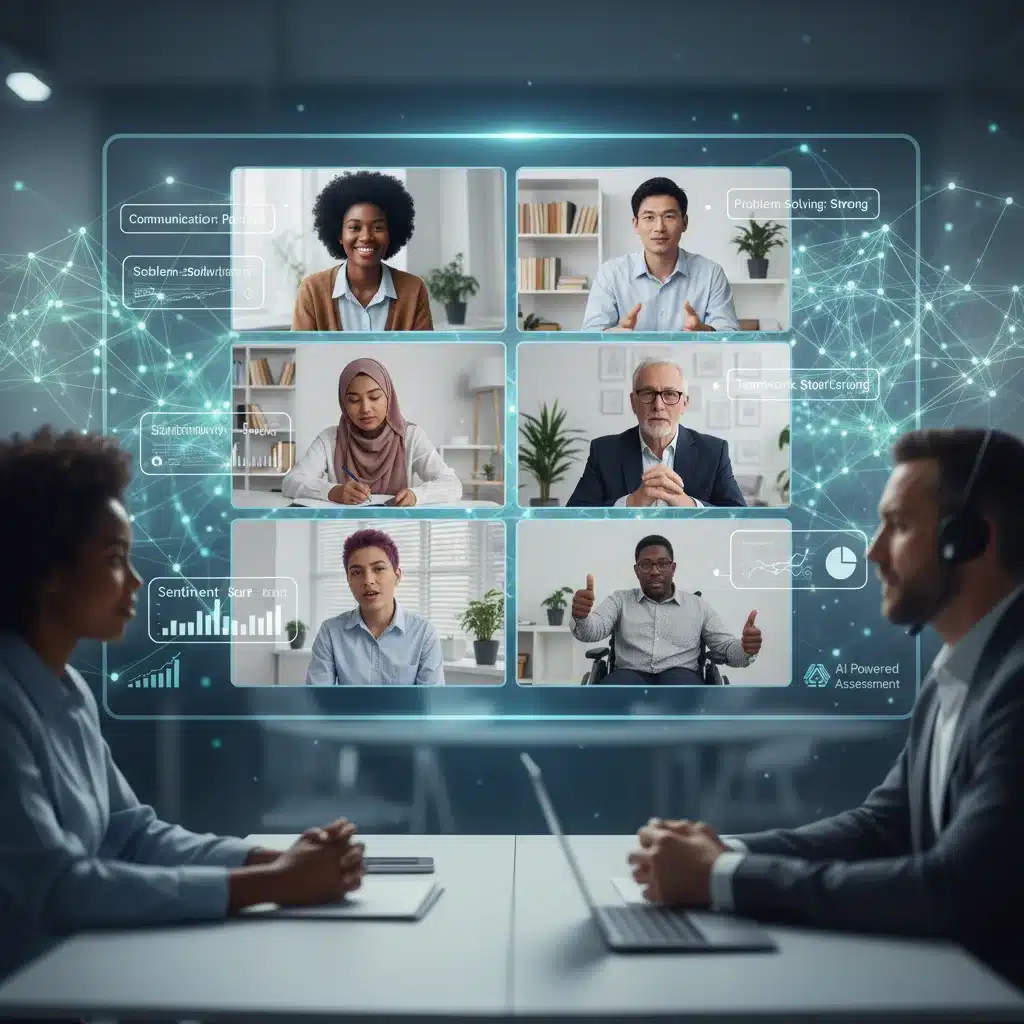
While AI can automate many repetitive tasks, the human element remains indispensable in recruitment. Building relationships with candidates, conducting empathetic interviews, and making final hiring decisions require human judgment, emotional intelligence, and interpersonal skills that AI cannot replicate. AI should be used to free up recruiters’ time, allowing them to focus on these high-value, human-centric activities. A balanced approach, where AI handles efficiency and data analysis, and humans manage connection and empathy, is key to a successful AI HR Recruitment strategy. The goal is to create a seamless experience where technology enhances, rather than detracts from, human interaction.
The Future Outlook: Beyond 2026
The journey of AI HR Recruitment is far from over; in fact, it’s just beginning. The projected 18% reduction in recruitment time by 2026 is an ambitious yet achievable milestone, paving the way for even more sophisticated applications of AI in the years to come. As AI technology continues to evolve, we can anticipate even greater levels of personalization, predictive accuracy, and strategic impact on HR functions.
Hyper-Personalization and Candidate Experience
Imagine a future where every candidate interaction is hyper-personalized, from the initial job search to onboarding. AI will enable recruitment platforms to understand individual candidate preferences, career aspirations, and learning styles, tailoring job recommendations, communication, and even learning paths accordingly. This level of personalization will not only dramatically improve the candidate experience but also foster stronger engagement and loyalty. AI will create dynamic career pathways within organizations, suggesting internal mobility opportunities based on an employee’s skills and potential, further enhancing retention and internal talent development. This future state of AI HR Recruitment will blur the lines between external hiring and internal talent management.
Ethical AI and Algorithmic Fairness
As AI becomes more pervasive, the focus on ethical AI and algorithmic fairness will intensify. Developers and HR professionals will work hand-in-hand to ensure that AI algorithms are transparent, unbiased, and compliant with evolving ethical guidelines. This will involve continuous auditing of AI systems for bias, developing robust explainable AI (XAI) models, and prioritizing data privacy and security. The goal is to build trust in AI systems, ensuring they promote equitable opportunities and do not perpetuate or amplify existing societal biases. The responsible development and deployment of AI HR Recruitment will be crucial for its long-term success and acceptance.
AI as a Strategic Partner for HR Leaders
Beyond automation, AI will increasingly serve as a strategic partner for HR leaders. It will provide real-time insights into talent market trends, predict future skill gaps, and offer data-driven recommendations for workforce planning and development. HR leaders will leverage AI to make more informed decisions about talent investments, organizational design, and employee engagement strategies. This shift will elevate HR from an administrative function to a true strategic driver of business success, with AI HR Recruitment being a foundational element of this transformation. The ability to anticipate talent needs and proactively address them will be a significant competitive advantage.
Integration with Broader HR Ecosystems
The future will see deeper integration of AI recruitment tools with broader HR ecosystems, including HRIS, performance management systems, and learning and development platforms. This seamless flow of data will create a holistic view of the employee lifecycle, from candidate to alumni. AI will connect the dots between recruitment outcomes, employee performance, and retention, providing a comprehensive understanding of talent effectiveness. This integrated approach will optimize not only recruitment but also talent development, succession planning, and overall human capital management. The vision for AI HR Recruitment is one of interconnected intelligence, driving efficiency and insights across the entire HR domain.
Conclusion: Embracing the AI-Powered HR Future
The journey towards an 18% reduction in recruitment time by 2026 through AI HR Recruitment is not merely an aspiration but a tangible goal within reach for organizations willing to embrace innovation. AI is not just a tool; it’s a strategic imperative that empowers HR departments to transcend traditional limitations and become true drivers of business success. By automating mundane tasks, enhancing candidate engagement, providing predictive insights, and fostering greater objectivity, AI is fundamentally reshaping the talent acquisition landscape.
The benefits extend far beyond mere efficiency gains, encompassing improved hiring quality, enhanced diversity, a superior candidate experience, and ultimately, a more agile and competitive workforce. However, successful AI adoption requires a thoughtful approach, focusing on clear goals, data quality, continuous training, and a steadfast commitment to maintaining the invaluable human touch. As we look beyond 2026, the potential of AI HR Recruitment will continue to expand, offering hyper-personalized experiences, ensuring ethical fairness, and serving as a strategic partner for HR leaders. The future of HR is intelligent, efficient, and profoundly human-centric, powered by the transformative capabilities of AI. Organizations that proactively invest in and strategically implement these technologies will be well-positioned to attract, develop, and retain the talent needed to thrive in the dynamic global economy.