AI Tools for Graphic Design: Create 2x More Visuals with 50% Less Effort by 2026
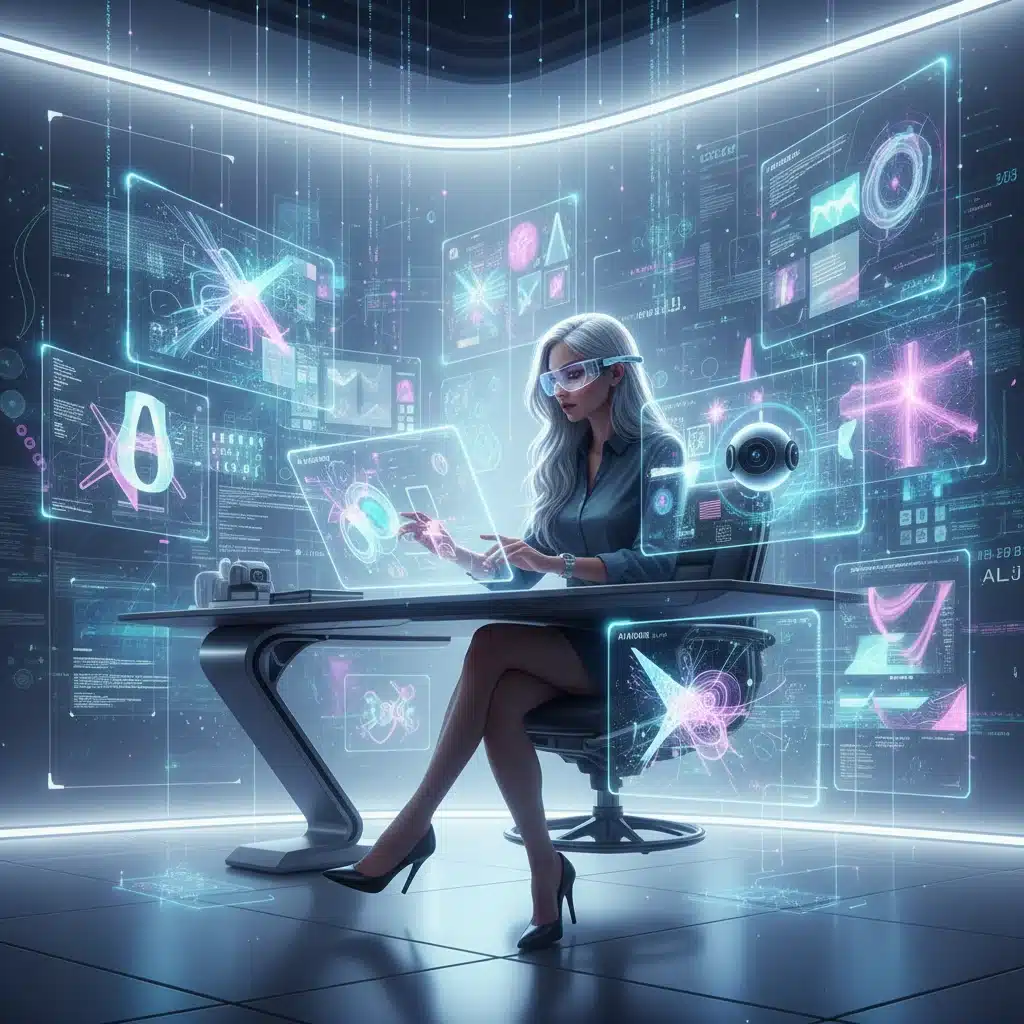
In an increasingly visual world, the demand for compelling graphic content has never been higher. From social media posts and website banners to elaborate marketing campaigns and user interfaces, businesses and individuals alike are constantly seeking fresh, engaging visuals. However, traditional graphic design can be a time-consuming and resource-intensive process. Enter Artificial Intelligence (AI), a game-changer poised to revolutionize the creative landscape. By 2026, it’s projected that AI graphic design tools will empower designers to create double the visuals with half the effort, marking a significant leap in productivity and creative output.
This isn’t about AI replacing human creativity, but rather augmenting it. Imagine having a tireless assistant that can generate variations, automate mundane tasks, and even offer creative suggestions based on vast datasets of design principles and trends. This article delves into how AI is transforming graphic design, the specific tools making this possible, and what designers can expect in this exciting new era.
The Dawn of a New Creative Era: Why AI Graphic Design Matters
The acceleration of digital content consumption has placed immense pressure on designers. Businesses need to churn out a constant stream of visuals to stay relevant, engage audiences, and drive conversions. Manual design processes, while crucial for bespoke and highly conceptual work, often struggle to keep pace with this demand. This is where AI graphic design steps in as a powerful ally.
Unprecedented Efficiency and Speed
One of the most immediate and impactful benefits of AI in graphic design is the dramatic increase in efficiency. AI algorithms can process vast amounts of data and generate multiple design options in mere seconds, a task that would take a human designer hours or even days. This speed translates directly into higher output, allowing designers to deliver more projects in less time.
Reducing Repetitive Tasks
Graphic designers often spend a considerable portion of their time on repetitive and tedious tasks, such as resizing images for different platforms, removing backgrounds, color correction, or generating endless variations of a single design element. AI tools excel at automating these monotonous processes, freeing up designers to focus on higher-level creative thinking and strategic problem-solving. This shift allows for a more fulfilling and impactful design role.
Democratizing Design
AI is also making design more accessible to non-designers. With intuitive AI-powered platforms, individuals without formal design training can now create professional-looking visuals for their personal projects or small businesses. This democratizes design, enabling more people to express themselves visually and communicate effectively without needing to hire a professional for every small task. While not replacing professional designers, it expands the overall creative capacity of the digital ecosystem.
Enhancing Creativity and Exploration
Far from stifling creativity, AI can actually enhance it. By quickly generating diverse options and variations, AI tools allow designers to explore a wider range of ideas and styles than ever before. This rapid prototyping capability can spark new inspirations, help overcome creative blocks, and lead to more innovative and unexpected design solutions. Designers can use AI as a brainstorming partner, pushing the boundaries of what’s possible.
Key AI Tools Revolutionizing Graphic Design
The market is rapidly expanding with a plethora of AI graphic design tools, each specializing in different aspects of the creative process. Here are some of the leading categories and examples:
AI-Powered Image Generators
These tools are perhaps the most talked-about in the AI creative space. Based on text prompts, they can generate entirely new images, illustrations, and even complex scenes. This capability is invaluable for creating unique visual assets without needing to source stock photos or commission custom artwork.
- Midjourney: Known for its stunning, artistic outputs, Midjourney excels at generating imaginative and visually rich images from descriptive text prompts. It’s particularly popular among digital artists and concept designers.
- DALL-E 2/3: Developed by OpenAI, DALL-E can generate realistic images and art from a text description. Its ability to create various styles and edit existing images makes it a versatile tool for designers.
- Stable Diffusion: An open-source model, Stable Diffusion offers immense flexibility and can be run locally, allowing for greater control and customization. It’s favored by those who want to integrate AI image generation deeply into their workflow.
Smart Image Editing and Enhancement Tools
AI is transforming traditional image editing, making complex tasks simpler and faster.
- Adobe Photoshop (with AI features): Adobe has integrated AI (Sensei) into Photoshop, offering features like Content-Aware Fill, Sky Replacement, Neural Filters for stylistic transformations, and advanced object selection tools. These features significantly reduce manual editing time.
- Remove.bg: This tool uses AI to automatically remove backgrounds from images with incredible precision in seconds, saving designers countless hours.
- Luminar AI: Focuses on AI-powered photo editing, offering features like AI Sky Enhancer, AI Structure, and AI Portrait for quick and professional-grade image adjustments.
AI-Driven Logo and Branding Tools
Creating a unique and impactful logo can be a challenging task. AI tools can streamline this process by generating numerous logo concepts based on user input.
- Looka: An AI-powered logo maker that generates a wide array of logo options based on industry, style preferences, and keywords. It also offers branding kits to ensure consistency across all visual assets.
- Brandmark.io: Similar to Looka, Brandmark uses AI to create unique logos and brand identities, providing various design options and customization features.
AI for Layout and Template Generation
For designers working on presentations, brochures, or social media posts, AI can assist in generating aesthetically pleasing layouts and templates.
- Canva (with AI features): Canva has integrated AI-powered design assistants that can suggest layouts, color palettes, and even generate text for designs, making it easier for users to create professional content quickly.
- Microsoft Designer: This tool leverages AI to help users create visually appealing designs for social media posts, invitations, and more, offering smart suggestions and automatic layout adjustments.
AI-Powered Content Generation (Text for Design)
While not strictly graphic design, AI text generators are becoming indispensable for designers who need placeholder text, headlines, or taglines for their visual creations.
- ChatGPT/GPT-4: These large language models can generate creative copy, headlines, and even descriptions for design projects, saving designers time in content creation.
- Jasper AI: An AI writing assistant that can generate marketing copy, blog posts, and various content formats, which can be directly integrated into design layouts.
The Promise of 2x More Visuals with 50% Less Effort by 2026
The bold claim of doubling visual output with half the effort by 2026 isn’t just hyperbole; it’s a realistic projection based on the rapid advancements and adoption of AI graphic design tools. Here’s how this transformation is unfolding:
Streamlined Workflows
AI integrates seamlessly into existing design workflows, automating the most time-consuming aspects. Imagine a scenario where a designer needs to create 20 social media posts for different platforms. Instead of manually cropping, resizing, and adjusting each image, AI can handle these tasks in bulk, allowing the designer to focus solely on the initial creative concept and overall messaging. This streamlining significantly reduces turnaround times.
Rapid Prototyping and Iteration
The ability of AI to generate multiple design variations almost instantly allows for unprecedented levels of prototyping and iteration. Designers can test various color schemes, typography combinations, and layout options with minimal effort, quickly identifying the most effective designs. This iterative process, once a bottleneck, becomes a fast-paced exploration, leading to higher quality and more refined outputs.
Scalability of Content Production
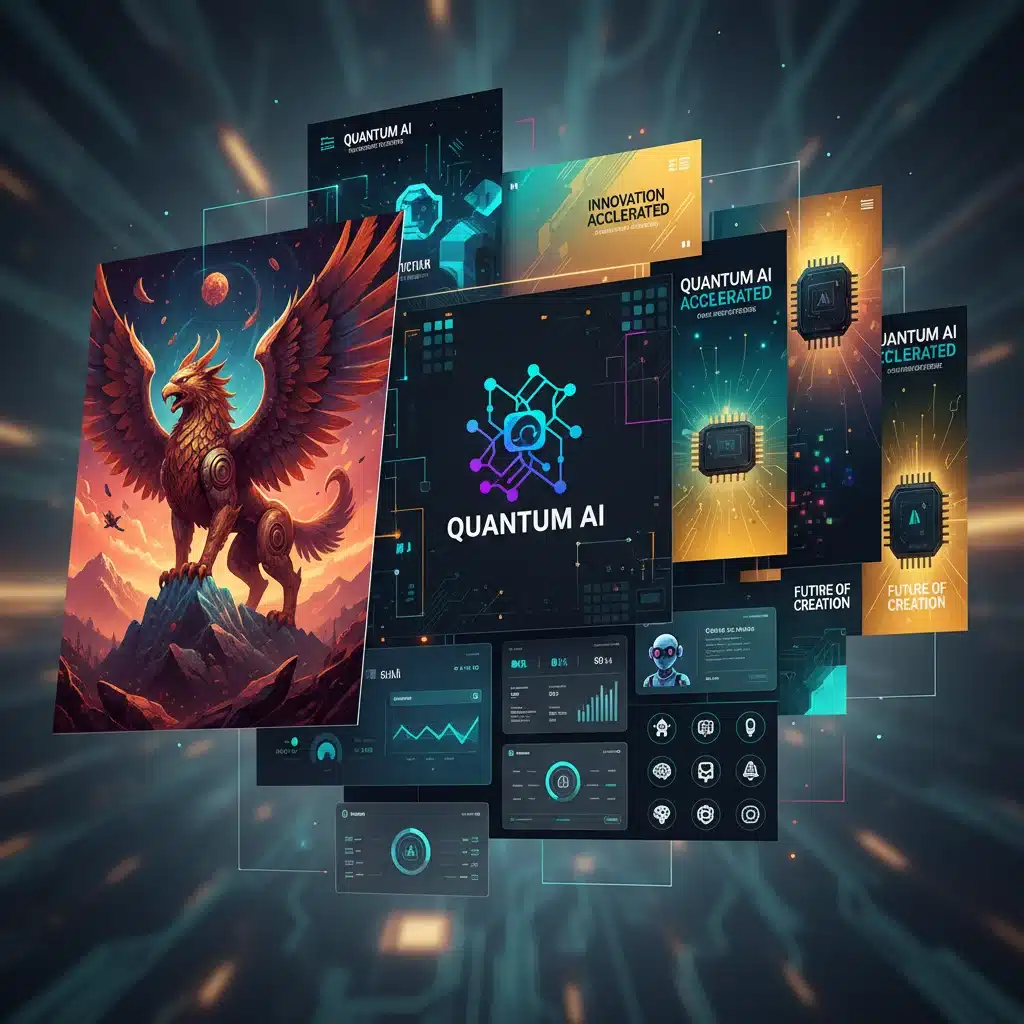
For businesses requiring a high volume of visual content, AI offers unparalleled scalability. A small design team can now produce content at a scale previously only achievable by much larger teams. This is particularly beneficial for e-commerce, digital marketing agencies, and large enterprises that need to maintain a constant visual presence across multiple channels and geographies.
Personalization at Scale
AI can also facilitate hyper-personalization of visual content. For instance, an e-commerce site could use AI to generate product images tailored to individual user preferences, or a marketing campaign could create ad creatives that resonate specifically with different demographic segments. This level of personalization, once prohibitively expensive, becomes feasible with AI, leading to higher engagement and conversion rates.
Challenges and Considerations in AI Graphic Design
While the benefits are significant, it’s important to address the challenges and ethical considerations associated with the rise of AI graphic design.
Maintaining Human Creativity and Oversight
The biggest concern for many designers is the fear of being replaced by AI. However, the current trajectory suggests a future of collaboration rather than replacement. AI excels at automation and generation, but human designers bring critical thinking, emotional intelligence, cultural understanding, and strategic insight that AI currently lacks. The role of the designer will evolve to one of an AI orchestrator, guiding and refining AI outputs to ensure they align with brand identity and creative vision.
Ethical Implications and Bias
AI models are trained on vast datasets, and if these datasets contain biases, the AI-generated outputs can inadvertently perpetuate those biases. This could manifest in stereotypical representations, limited diversity, or exclusion. Designers and developers must be vigilant in addressing these biases and ensuring that AI tools are used responsibly and ethically.
Copyright and Ownership
The issue of copyright for AI-generated art is a complex and evolving legal area. Who owns the copyright for an image generated by an AI from a text prompt? Is it the user who provided the prompt, the developer of the AI, or the AI itself? Clarity on these issues is crucial for creative professionals and industries.
The Learning Curve
While many AI tools are designed to be user-friendly, there’s still a learning curve involved in effectively integrating them into one’s workflow. Designers need to understand how to write effective prompts, interpret AI outputs, and refine them to achieve desired results. Continuous learning and adaptation will be key.
The Future of Graphic Design: A Symbiotic Relationship
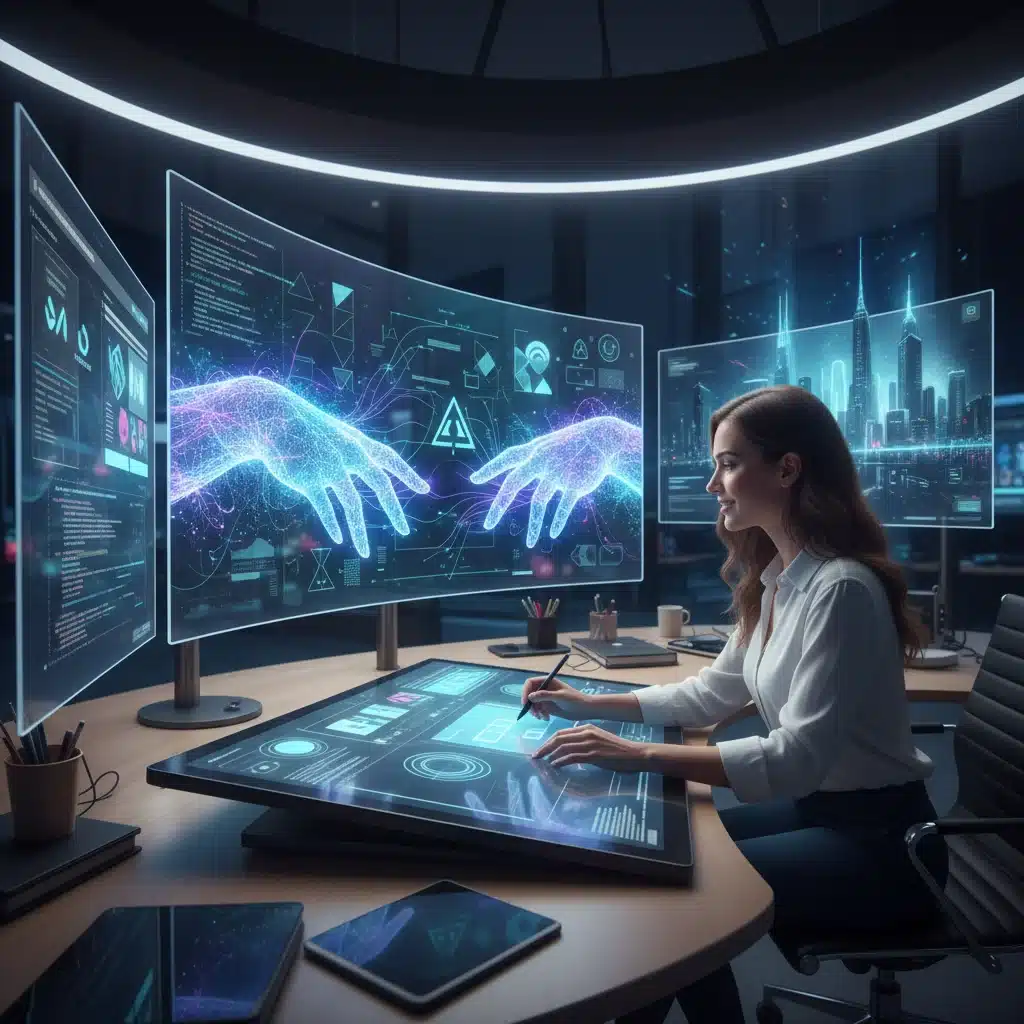
The future of graphic design is not one where humans compete with machines, but one where they collaborate. AI graphic design will become an indispensable partner, handling the heavy lifting of repetitive tasks and generating a wealth of creative options, allowing human designers to elevate their role.
Focus on Strategy and Storytelling
With AI handling the execution, designers will have more time to focus on the strategic aspects of their work: understanding client needs, developing compelling narratives, and ensuring that designs effectively communicate brand messages. The emphasis will shift from manual execution to strategic vision and creative direction.
Personalized and Adaptive Design
AI will enable a new level of personalized and adaptive design. Imagine websites and applications that dynamically adjust their visual appearance based on user behavior, preferences, and even emotional states. This will lead to more engaging and effective user experiences.
New Creative Roles
The rise of AI will also give birth to new creative roles, such as ‘AI Prompt Engineer’ or ‘Creative AI Director,’ individuals specialized in harnessing the power of AI to achieve specific creative outcomes. These roles will require a blend of artistic vision and technical understanding.
Continuous Innovation
The field of AI is evolving at an astonishing pace. New models and capabilities are emerging constantly, promising even more sophisticated and integrated tools for designers. Staying updated with these advancements will be crucial for designers looking to remain at the forefront of their profession.
Getting Started with AI Graphic Design
For designers looking to embrace this new era, here are some practical steps:
- Experiment with Free Tools: Many AI tools offer free trials or freemium versions. Start experimenting with tools like Canva’s AI features, Remove.bg, or some of the basic AI image generators to get a feel for their capabilities.
- Learn Prompt Engineering: Understanding how to craft effective prompts for AI image and text generators is a valuable skill. The more precise and descriptive your prompts, the better the AI output.
- Integrate Gradually: Don’t feel pressured to overhaul your entire workflow at once. Start by integrating AI for specific tasks where it can offer immediate benefits, such as background removal or generating design variations.
- Stay Informed: Follow industry news, subscribe to AI design blogs, and participate in online communities to stay updated on the latest tools and best practices.
- Focus on Your Unique Human Skills: While AI handles automation, hone your unique human skills: critical thinking, empathy, storytelling, and strategic problem-solving. These are the qualities that will continue to differentiate human designers.
Conclusion
The year 2026 is rapidly approaching, and with it, the vision of AI graphic design enabling double the visual output with half the effort is becoming a tangible reality. AI is not just a tool; it’s a paradigm shift that will redefine the graphic design profession. By embracing AI, designers can shed the burden of repetitive tasks, unlock new levels of creativity, and focus on the strategic and conceptual aspects that truly make a design impactful. The future is one of collaboration between human ingenuity and artificial intelligence, leading to an unprecedented era of visual abundance and creative empowerment. Designers who adapt and integrate these powerful tools into their workflows will not only survive but thrive in this exciting new landscape, pushing the boundaries of what’s possible in the world of visual communication.